OFFSHORE HOSPITALITY
The RIG
Arabian Gulf, Saudi Arabia
Architecture Lead · Package 4
Concept — 100% FEED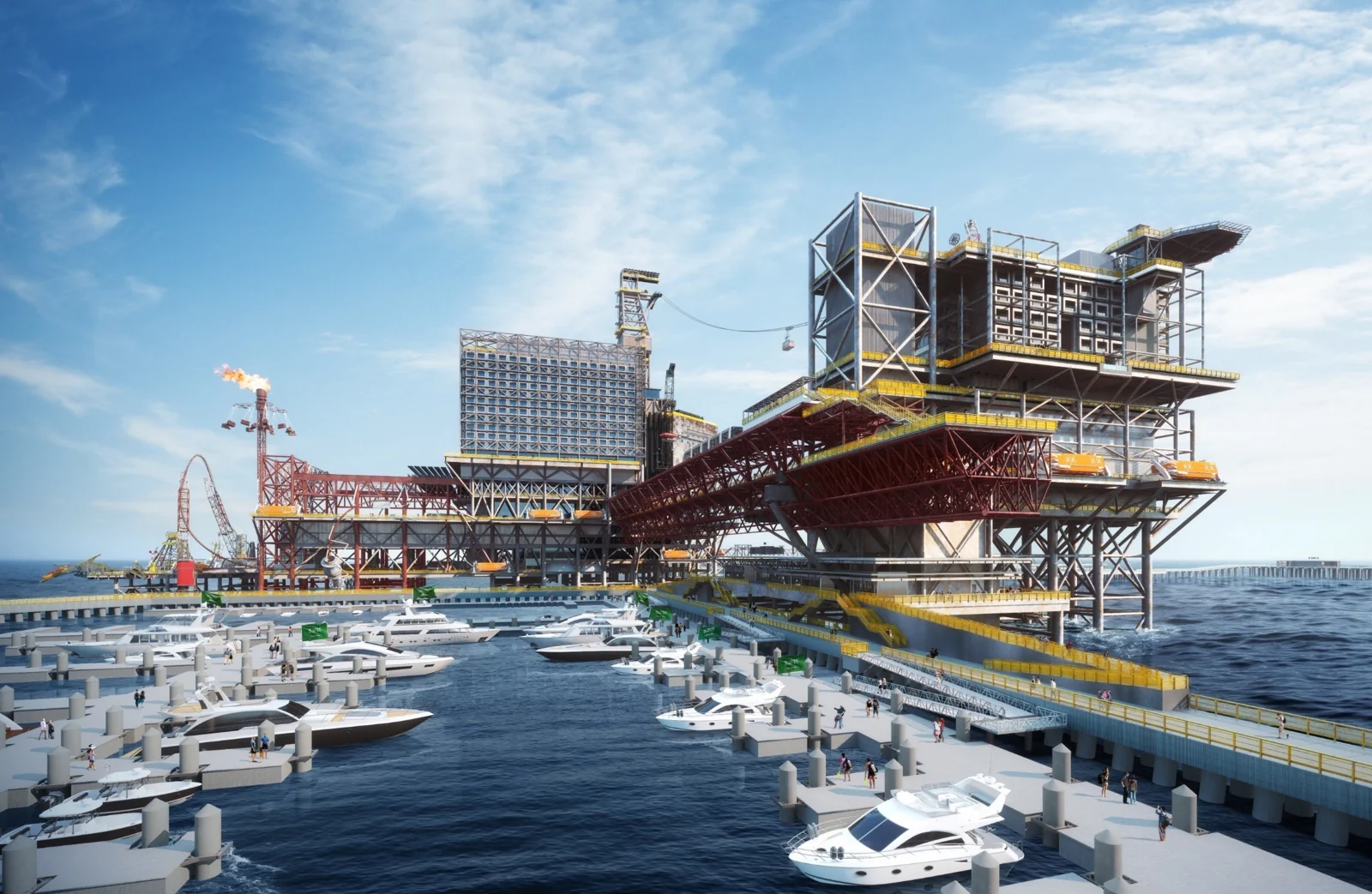
Jacobs for The RIG / PIF. Original overall concept by HOK. My role: Architecture Lead, Package 4 Energy Hub.
DESIGN LEAD · ARCHITECT
The real work is keeping it coherent
as complexity grows.
CONCEPT VISION &
DELIVERY GOVERNANCE
Shaping the design, working through key decisions with clients, and collaborating with architects, engineers and specialists.
15+ years across Europe, China and the Middle East, working on large-scale architecture with international practices including AECOM and Jacobs.
Construction technology, architectural theory and design culture formed the foundation: begin with context, meaning and a clear architectural idea.
Almost a decade of towers, masterplans and mixed-use work taught me to lead concepts at scale, decide quickly and translate ambition into persuasive design direction.
Complex programmes brought architecture into constant dialogue with engineering, BIM, client review and delivery—strengthening the discipline needed to protect intent as constraints grow.
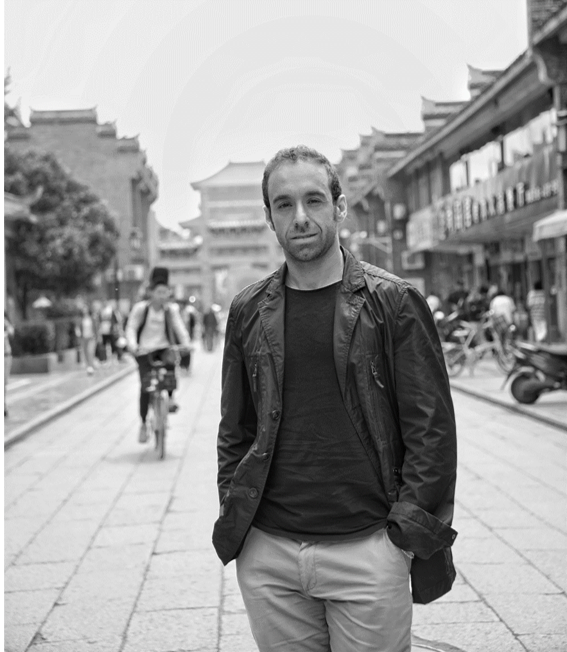
I’m Daniele Lazzaretti, an architect and Design Lead. I began in Rome, where construction technology, architectural theory and design culture gave me both a technical foundation and a reason to ask what an idea is for. I then spent almost a decade in China, working on towers, masterplans and mixed-use developments. The pace and scale taught me to set a clear concept, make decisions quickly and guide teams around one shared direction.
In the Gulf, the work became more multidisciplinary. Architecture had to remain coherent across engineering, BIM, programme requirements and client review.
Together, those environments shaped how I work today: understand what matters, establish a strong architectural direction, and protect it as more people, detail and constraints enter the project.
The environments I work in.
Hotels, resorts and destination projects.
Workplace, retail and living within one development.
Office and residential towers.
Districts, development frameworks and public space.
Operational facilities and complex technical programmes.
Homes, villas and residential developments.
OFFSHORE HOSPITALITY
Arabian Gulf, Saudi Arabia
Architecture Lead · Package 4
Concept — 100% FEEDJacobs for The RIG / PIF. Original overall concept by HOK. My role: Architecture Lead, Package 4 Energy Hub.
HOSPITALITY & URBAN LIFE
Madinah, Saudi Arabia
Hospitality planning · D1 design contribution
Superblock 4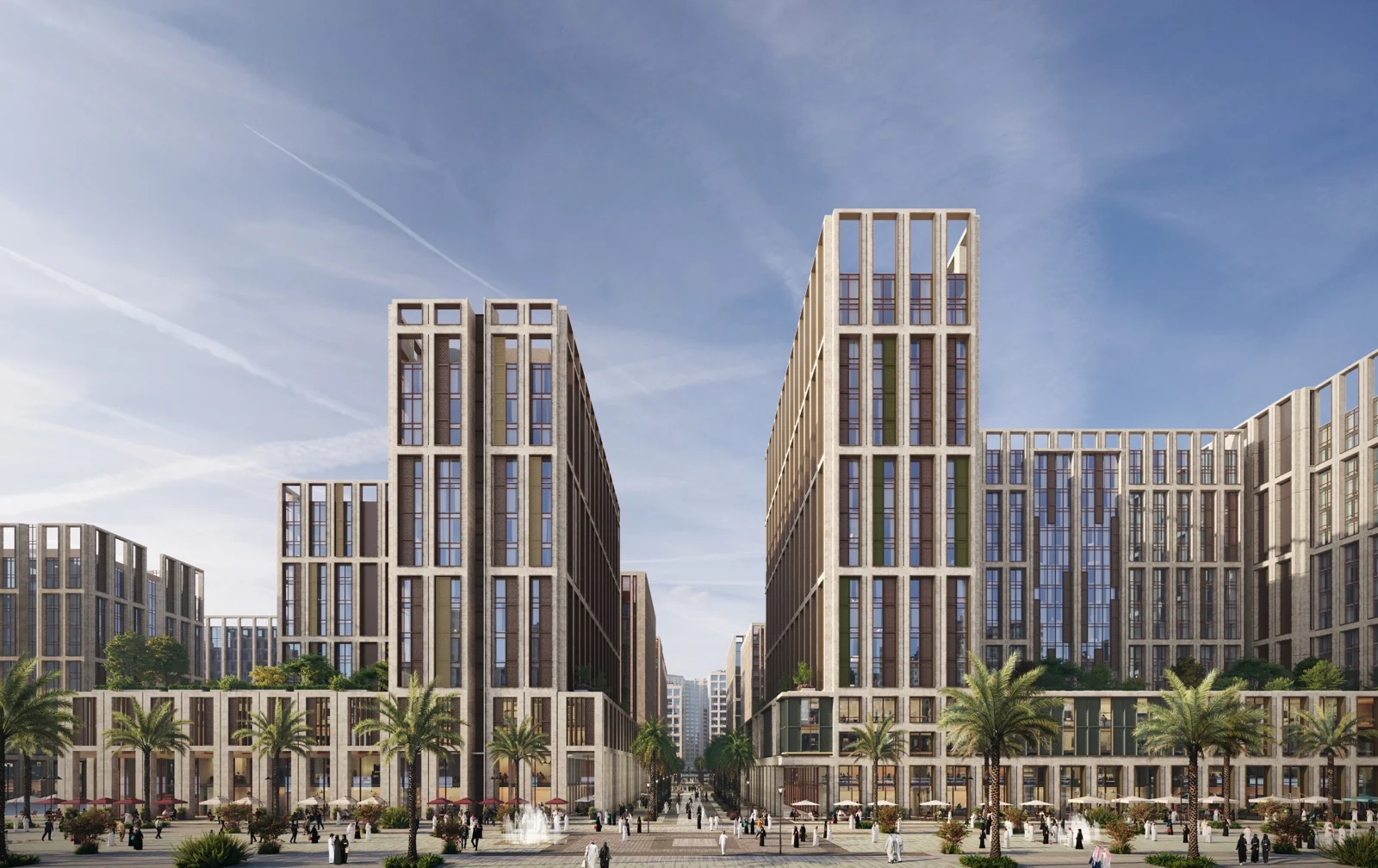
Jacobs for RUA Al Madinah Holding Company. D1 layout and façade development within the wider Superblock 4 concept team.
MIXED-USE & WORKPLACE
Dongguan, China
Asset concept design · Team leadership
Concept & schematic design
PHA Design (PH Alpha) for Genzon Real Estate. Selected asset concepts and team coordination within the wider development.
RETAIL & PUBLIC REALM
Chongqing, China
Façade & rooftop landscape contribution
Design development & construction coordination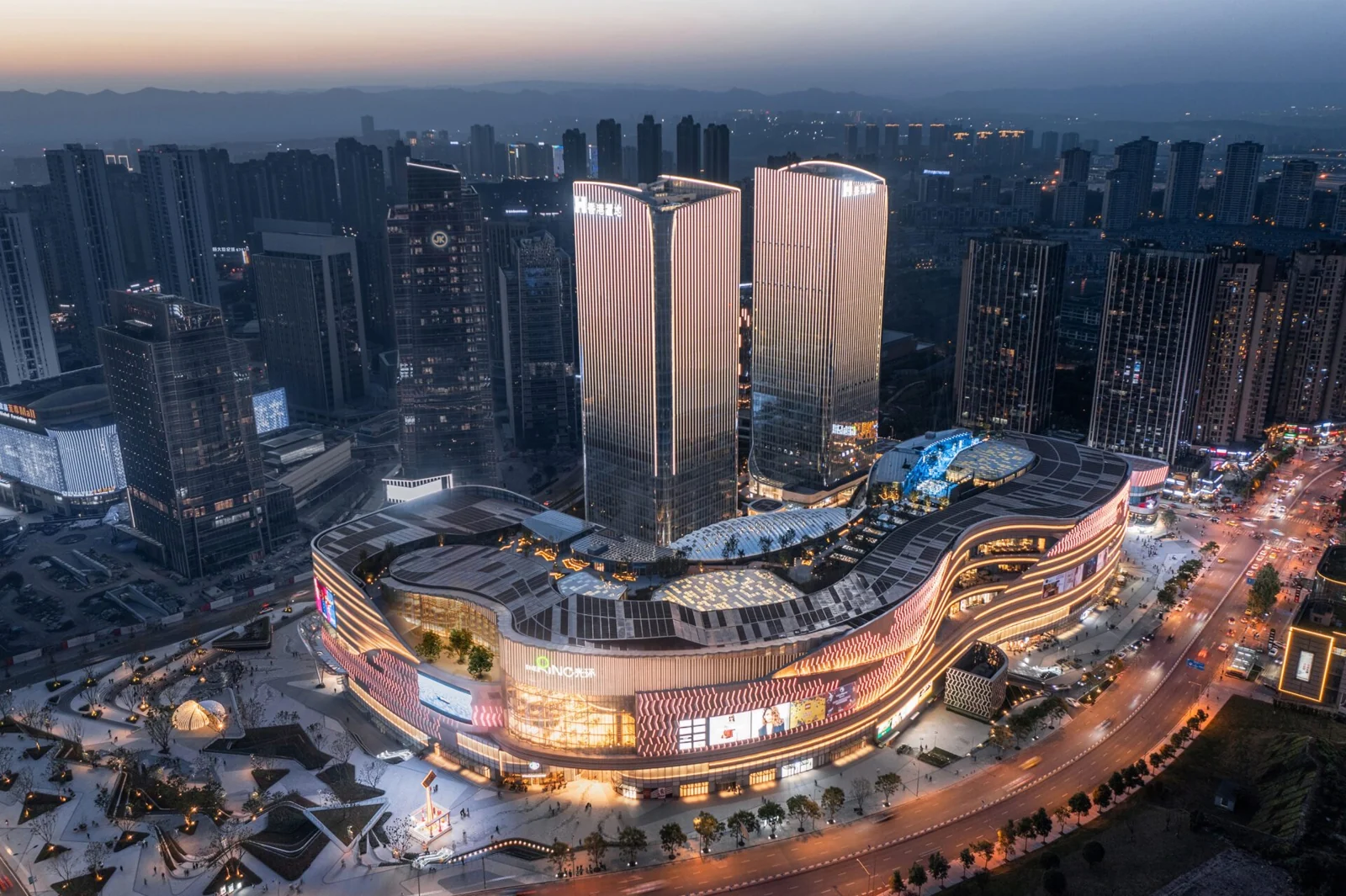
PHA Design (PH Alpha) for Hongkong Land. Contribution during construction to façade and rooftop-landscape packages.
OPERATIONAL FACILITIES
Riyadh, Saudi Arabia
Design Lead · Infrastructure facilities
Concept & schematic design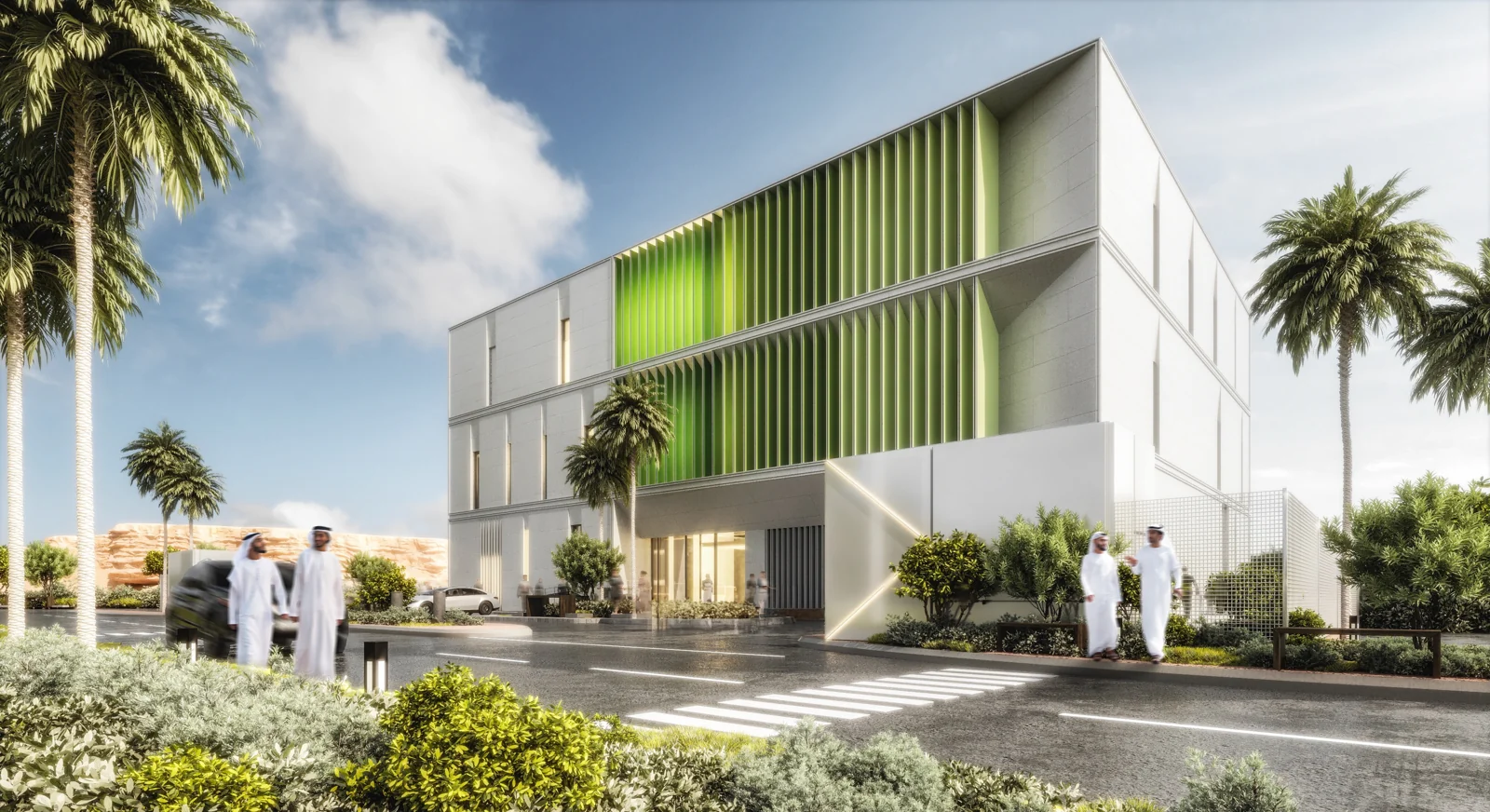
Jacobs for Qiddiya. Concept and schematic design across the facilities package. Image: district security and operations facility.
The decisions behind the image.
The people behind the work.
Identify the architectural idea worth developing. Test it through massing, planning and design options, before detail obscures the important decisions.
Set the priorities early, review alternatives and give the team a clear framework. Keep the architecture consistent with the direction agreed with the client.
Turn competing priorities into decisions people can act on. Work with clients, designers and technical disciplines to resolve interfaces and keep responsibilities clear.
Know what needs to be protected, what can change and what must be resolved as detail increases. Keep design intent visible through reviews, coordination and delivery.
People, space, structure, environment and technology continuously shape one another. I believe architecture should respond to those relationships rather than treat them as separate problems.
New technologies expand what we can understand and what we can design. But their value lies in what they enable for people, not in the technology itself.
AI does not replace expertise. Its value depends on the knowledge and judgement behind it.
Through micro1, I contribute architectural expertise to the development and evaluation of advanced AI systems for CAD and BIM workflows.
AI, agents and automation are part of my practice where they improve design thinking, coordination and access to information.
Architecture. Practice.
And the questions in between.
A series of essays is taking shape.
Coming soon.
DESIGN PRACTICE
Design intent, client decisions and the work between them.
INTERNATIONAL PRACTICE
Notes on scale, speed and architectural judgement.
ARCHITECTURE & TECHNOLOGY
The place of professional expertise in emerging design tools.